

Tonsillectomy is one of the most commonly performed ENT procedures used to treat repeated tonsil infections, enlarged tonsils, and breathing problems related to the throat. Tonsils are two oval-shaped glands located at the back of the throat and act as the body’s first line of defense against bacteria and viruses entering through the mouth and nose.
Although tonsils support the immune system during childhood, they can sometimes become repeatedly infected or enlarged, leading to discomfort and other health problems. In such cases, an experienced ENT specialist in Nashik may recommend tonsillectomy surgery to improve throat health and overall quality of life.

What Are Tonsils?
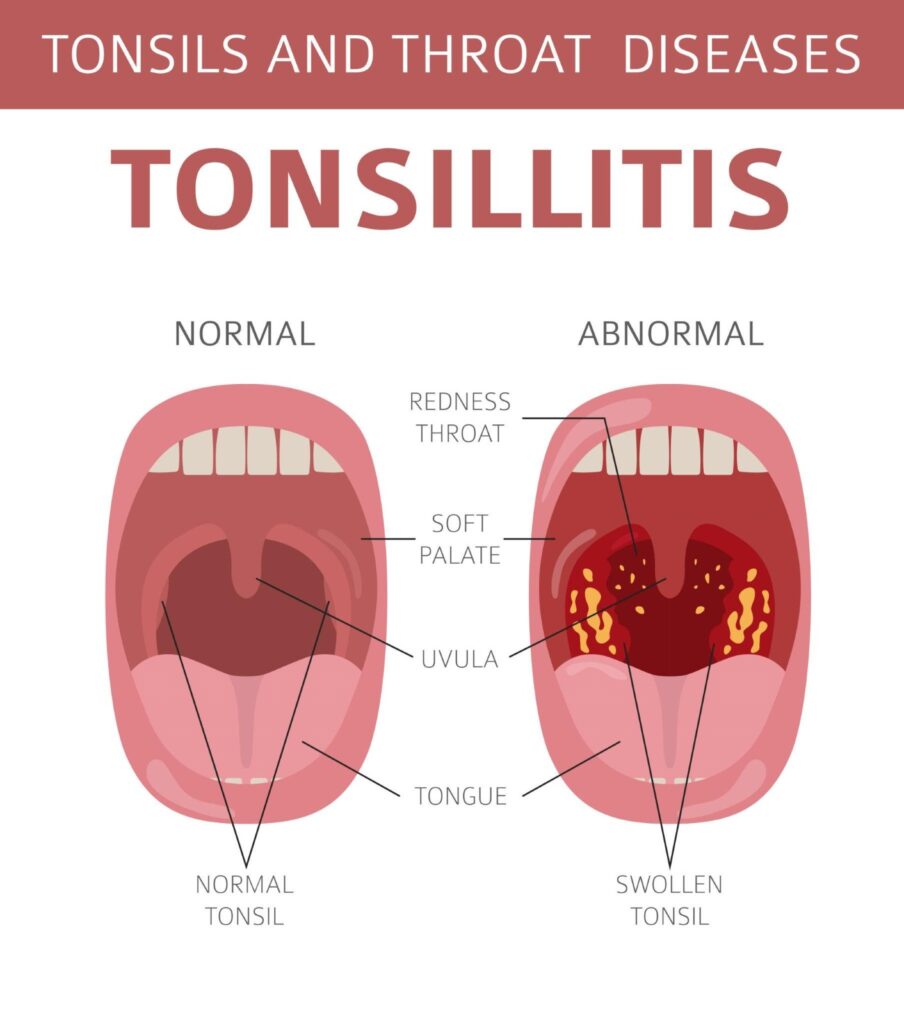
Tonsils are lymphatic tissues located on both sides at the back of the throat. Their role is to help the body fight infections by trapping germs entering through the mouth and nose.
However, repeated infections can cause:
- Swelling of the tonsils
- Pain while swallowing
- Fever and throat irritation
- Breathing difficulties
- Sleep disturbances
Children are more commonly affected by tonsillitis, although adults may also experience chronic tonsil problems
When is Tonsillectomy Recommended?
A tonsillectomy is usually recommended when throat infections become frequent or when enlarged tonsils interfere with breathing and sleep.
Common reasons for tonsil surgery include:
Recurrent Tonsillitis
Frequent throat infections that continue despite medications and antibiotics.
Enlarged Tonsils
Large tonsils can block airflow and create breathing problems.
Obstructive Sleep Apnea
Enlarged tonsils may cause interrupted breathing during sleep, loud snoring, and poor sleep quality.
Difficulty in Swallowing
Severely enlarged tonsils can make eating and swallowing uncomfortable.
Tonsil Abscess
Sometimes infection leads to pus collection behind the tonsils, requiring surgical treatment.
If you experience repeated throat infections, seeking timely throat treatment in Nashik can help prevent complications.
How is Tonsillectomy Performed?
A tonsillectomy is generally considered a day-care procedure, meaning patients can usually return home on the same day after surgery.
The procedure is performed under general anaesthesia. The patient’s mouth is gently held open using specialized instruments, and the surgeon carefully removes the tonsils while controlling bleeding throughout the surgery. The entire procedure usually takes around 20–30 minutes by experienced ENT specialists.
Tonsillectomy and Sleep Problems
Enlarged tonsils may partially block the airway during sleep, leading to:
- Loud snoring
- Restless sleep
- Daytime tiredness/sleepiness
- Interrupted breathing episodes
Removing enlarged tonsils can significantly improve breathing and sleep quality.
Recovery After Tonsil Surgery
Recovery after tonsillectomy generally takes about 1–2 weeks.
Common symptoms during recovery may include:
- Mild to moderate throat pain
- Ear pain
- Bad breath
- Difficulty swallowing
- Mild fever
These symptoms are temporary and improve gradually with proper care.
Recovery tips:
- Drink plenty of fluids
- Eat soft and cold foods
- Avoid spicy or hard foods
- Take medicines exactly as prescribed
- Get enough rest
Following the doctor’s instructions carefully helps improve healing and recovery.
Risks Associated with Tonsillectomy
Like any surgery, tonsillectomy has some risks, although serious complications are uncommon.
Possible risks include:
- Bleeding during or after surgery
- Swelling in the throat
- Infection
- Reaction to anaesthesia
An experienced ENT specialist carefully monitors patients before and after surgery to minimize these risks.
Benefits of Tonsillectomy
Patients who undergo tonsillectomy often experience significant improvement in their health and comfort.
Benefits may include:
- Reduced throat infections
- Improved breathing
- Better sleep quality
- Less throat pain
- Easier swallowing
- Improved quality of life
For many patients, tonsil surgery provides long-term relief from repeated throat-related problems.
Frequently Asked Questions
Is tonsillectomy painful?
Some throat discomfort after surgery is normal, but pain is manageable with medications prescribed by the doctor.
How long does recovery take?
Most patients recover within 7–14 days.
Can adults undergo tonsillectomy?
Yes. Tonsillectomy is commonly performed in both adults and children.
When should I consult an ENT specialist?
You should seek medical advice if you experience repeated tonsil infections, breathing difficulties, or persistent throat pain.
Conclusion
Tonsillectomy is a safe and effective solution for patients experiencing repeated tonsil infections, enlarged tonsils, or sleep-related breathing problems. Early consultation with an experienced ENT specialist in Nashik can help diagnose the condition properly and provide the most suitable treatment.
If you are facing frequent throat infections or breathing difficulties, timely throat treatment in Nashik can improve your comfort, sleep quality, and overall ENT health.