
Children often experience nasal and sinus problems that can affect their breathing, sleep, school performance, and overall quality of life. While many conditions can be managed with medications, some children may require specialized procedures for proper diagnosis and treatment. Pediatric endoscopic procedures are minimally invasive techniques that allow doctors to examine and treat conditions affecting the nose, sinuses, and upper airway with greater precision.
If your child has been advised to undergo a nasal endoscopy, understanding the procedure can help ease your concerns and prepare you for what to expect.
What Are Pediatric Endoscopic Nasal Procedures?
Pediatric endoscopic nasal procedures involve the use of a thin, flexible or rigid tube called an endoscope. The endoscope is equipped with a tiny camera and light source, allowing the doctor to view the inside of the breathing passages and sinus cavities in detail.
These procedures help diagnose and treat a variety of conditions that may not be visible through a routine examination. Because they are minimally invasive, they offer improved accuracy, faster recovery, and less discomfort compared to traditional surgical methods.
When Does a Child Need an Endoscopic Nose Examination?
A Pediatric ENT specialist may recommend nasal endoscopy if a child experiences:
- Chronic nose blockage
- Recurrent sinus infections
- Persistent runny nose
- Frequent nosebleeds
- Difficulty breathing normally
- Snoring or sleep-disordered breathing
- Suspected enlarged adenoids
- Polyps or abnormal tissue growths
- Foreign objects lodged inside the nose
For children with ongoing symptoms that do not respond to medications, nasal endoscopy can provide valuable insights into the underlying cause.
Conditions Diagnosed and Treated with Endoscopic Procedures
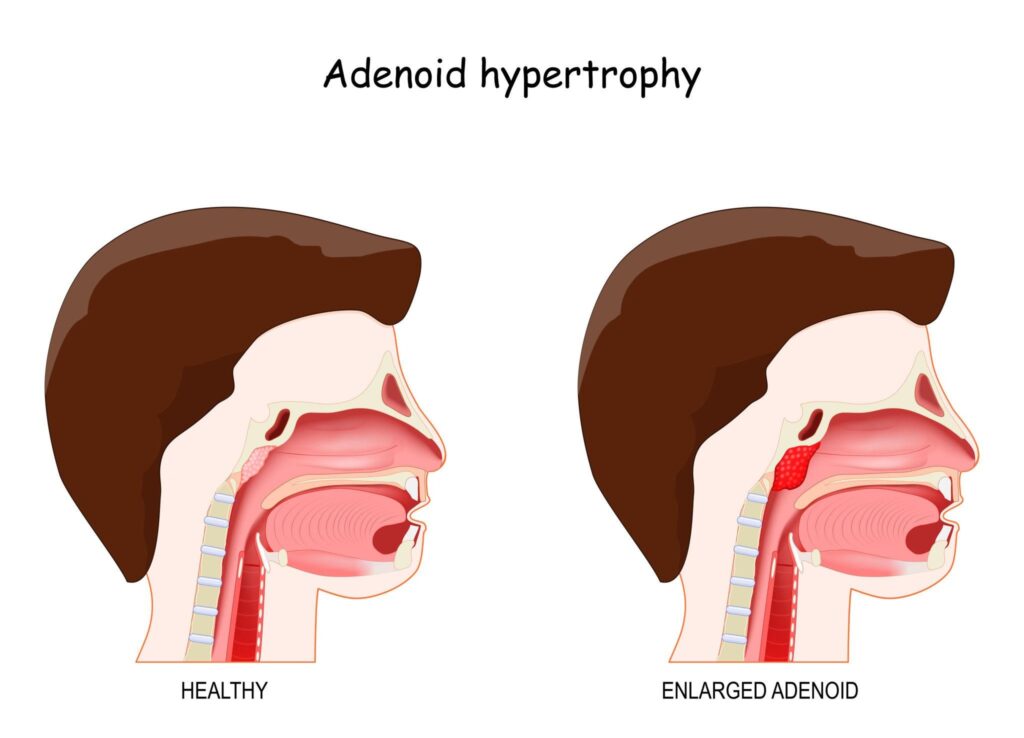
Enlarged Adenoids
Adenoids are lymphatic tissues located behind the nose. Enlarged adenoids can cause nasal blockage, mouth breathing, snoring, and recurrent ear infections. Endoscopy helps assess their size and determine whether treatment or surgery is required.
Chronic Sinusitis
Children with ongoing sinus infections can benefit from endoscopic evaluation.This helps find out if there is inflammation, blockage, or structural issues causing the problem.
Polyps and Tissue Growths
Although less common in children, nasal polyps can obstruct airflow and cause chronic congestion. Endoscopy allows for accurate diagnosis and management.
Foreign Bodies
Young children sometimes insert small objects into their noses. Endoscopic removal is a safe and effective way to take out foreign objects without extra discomfort.
What Happens During the Procedure?
The procedure is usually done in an outpatient setting.. Depending on the child’s age and the purpose of the examination, a local anesthetic spray or mild sedation may be used.
The endoscope is gently inserted into the nostril, allowing the doctor to inspect the nasal passages and surrounding structures. The process typically takes only a few minutes and is generally well tolerated by children.
For surgical procedures, such as adenoid removal or sinus surgery, general anesthesia may be required to ensure the child’s comfort and safety.
Benefits of Pediatric Endoscopic Nasal Procedures
Modern endoscopic techniques offer several advantages:
- Minimally invasive approach
- Enhanced visualization of nasal structures
- Accurate diagnosis
- Reduced tissue damage
- Faster recovery time
- Improved treatment outcomes
- Less postoperative discomfort
These benefits make endoscopic procedures a preferred option for many pediatric ENT conditions.
Recovery and Aftercare
Recovery depends on the type of procedure performed. Diagnostic nasal endoscopy usually requires little to no downtime, and children can resume normal activities shortly afterward.
For surgical procedures, your doctor will provide specific aftercare instructions, which may include:
- Nasal saline irrigation
- Avoiding strenuous activities for a few days
- Taking prescribed medications
- Attending follow-up appointments
Most children recover quickly and experience significant improvement in breathing, sleep quality, and overall comfort.
When Should Parents Consult an ENT Specialist?
If your child frequently suffers from nasal congestion, sinus infections, snoring, mouth breathing, or recurring nosebleeds, it may be time to consult an ENT specialist in Nashik. Early evaluation can help find the cause and prevent long-term problems.
A qualified Pediatric ENT Nashik specialist can recommend the most appropriate treatment plan, whether it involves medication, lifestyle modifications, or minimally invasive endoscopic procedures.
Conclusion
Pediatric endoscopic nasal procedures have transformed the diagnosis and treatment of nasal and sinus conditions in children. By providing a clear view of the nose, sinuses, and surrounding structures and allowing precise treatment, these procedures help improve breathing, reduce infections, and enhance a child’s quality of life.
If your child is experiencing persistent nasal or sinus problems, consulting an experienced ENT specialist in Nashik or a Pediatric ENT Nashik expert can ensure timely diagnosis and effective care for lasting relief.