
Chronic sinus problems can significantly affect a person’s quality of life. Persistent nasal blockage, facial pain, headaches, post-nasal drip, and recurrent infections often lead patients to rely on repeated medications with only temporary relief. Over the last decade, awareness about Endoscopic Sinus Surgery (FESS) has grown rapidly, especially among patients seeking long-term solutions with minimal discomfort. As a senior ENT specialist at Indorewala ENT Hospital, I have seen a clear shift in patient preference toward minimally invasive sinus procedures that offer faster recovery and shorter hospital stays. This growing trust has positioned our hospital as a preferred Sinus surgery hospital in Nashik for patients across Maharashtra and India.
What Is Endoscopic Sinus Surgery (FESS)?
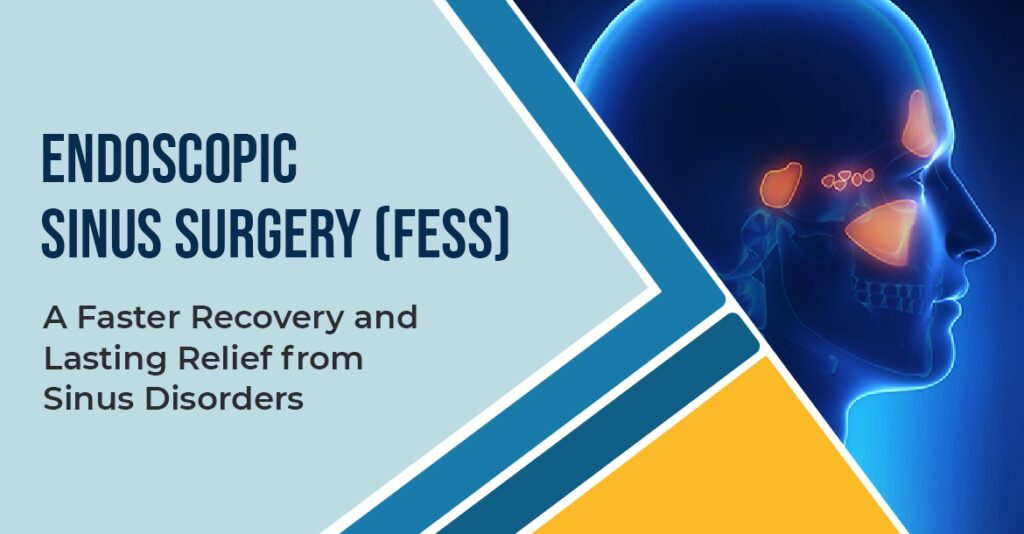
Functional Endoscopic Sinus Surgery, commonly known as FESS, is a minimally invasive surgical technique used to treat chronic sinusitis and related sinus disorders. The procedure is performed using high-definition endoscopes inserted through the nostrils, eliminating the need for external cuts or scars. The goal of FESS is to restore natural drainage pathways of the sinuses by removing blockages such as inflamed tissue, polyps, or thickened mucosa.
Unlike traditional sinus surgeries, FESS preserves healthy tissue while targeting only the affected areas. This precision is what makes it safer, more effective, and increasingly popular among patients.
Why Is Awareness About FESS Increasing?
Patients today are more informed than ever. Access to medical information, expert consultations, and successful patient outcomes has increased confidence in minimally invasive treatments. Awareness has also grown because FESS offers:
- Reduced surgical trauma
- Minimal bleeding
- Faster recovery time
- Shorter hospital stays
- Lower risk of complications
- Improved long-term sinus function
At Indorewala ENT Hospital, we often see patients who delay surgery due to fear, only to later realise that FESS is a safe and comfortable option when performed by experienced specialists.
Who Needs Endoscopic Sinus Surgery?
FESS is recommended for patients who do not respond adequately to medical management. These may include individuals with:
- Chronic sinusitis lasting more than 12 weeks
- Recurrent sinus infections
- Nasal polyps
- Blocked sinus openings
- Facial pain and pressure despite medication
- Reduced sense of smell
- Sinus-related headaches
A detailed evaluation is essential before deciding on surgery. As part of advanced ENT surgery in Nashik, we focus on accurate diagnosis using nasal endoscopy, imaging studies, and clinical assessment to determine whether surgery is truly required.
How FESS Is Performed
The procedure is conducted under local or general anesthesia, depending on the case. Using a nasal endoscope, the surgeon visualizes the sinus passages in detail and gently removes obstructions. Modern surgical navigation systems and advanced instruments allow precise intervention without disturbing surrounding healthy structures.
The majority of patients have little discomfort and can quickly return to their regular activities. Patients often have short hospital stays and are discharged within 48 hours.
Benefits of Choosing a Specialized Sinus Centre
The success of FESS depends largely on surgical expertise and infrastructure. At Indorewala ENT Hospital, our experience, technology, and post-operative care protocols ensure optimal outcomes. Our approach focuses on long-term relief rather than short-term symptom control, which is why patients trust us as a leading Sinus surgery hospital in Nashik.
Post-surgery care includes nasal cleaning, medication guidance, and follow-up evaluations to ensure proper healing and prevent recurrence.
Common Myths About Sinus Surgery
Many patients hesitate due to misconceptions such as:
- “Sinus surgery is very painful”
- “Recovery takes months”
- “Sinus problems always return after surgery”
In reality, modern FESS techniques are designed to minimise pain and downtime. With proper case selection and expert execution, outcomes are highly successful.
Why Early Consultation Matters
Delaying treatment can worsen sinus inflammation and lead to complications involving the eyes or brain. Early consultation allows ENT specialists to determine whether continued medical therapy or surgical intervention is best. Advanced ENT surgery in Nashik now prioritises early diagnosis, planning, and minimally invasive solutions.
Conclusion
Endoscopic Sinus Surgery has transformed the way chronic sinus disorders are treated. With growing awareness, patients are increasingly choosing minimally invasive procedures that provide lasting relief with minimal disruption to daily life. At Indorewala ENT Hospital, we remain committed to combining clinical expertise, advanced technology, and compassionate care to deliver the best outcomes. If chronic sinus symptoms are affecting your well-being, timely evaluation and expert guidance can make all the difference.
Breathe better and live comfortably again. Book a consultation with our sinus specialists today for an accurate diagnosis and advanced treatment.
Patient FAQ – Endoscopic Sinus Surgery (FESS)
1. How should I prepare before Endoscopic Sinus Surgery?
Patients may be advised to stop certain medications, avoid smoking, and undergo pre-operative investigations such as blood tests or imaging. Your ENT specialist will provide detailed instructions to ensure safe and smooth surgery.
2. Will I need nasal packing after surgery?
In many cases, modern surgical techniques allow minimal or no nasal packing. If packing is required, it is usually soft, comfortable, and removed within a short period.
3. Can sinus surgery improve my sense of smell?
Yes, many patients experience improvement in smell once sinus blockage and inflammation are cleared. Recovery varies depending on the severity and duration of the condition.
4. What precautions should I follow after surgery?
Patients are advised to avoid heavy exertion, nose blowing, and dusty environments for a few weeks. Regular saline nasal rinses and follow-up visits help ensure proper healing.
5. Are there dietary restrictions after Endoscopic Sinus Surgery?
There are generally no strict food restrictions. Soft, nutritious foods and adequate hydration are recommended during the initial recovery period.
6. When can I return to work after surgery?
Most patients can resume office work within a few days, depending on comfort levels. Physically demanding jobs may require a slightly longer period to resume work.
7. Is sinus surgery suitable for elderly patients?
Yes, age alone is not a limiting factor. Fitness for surgery is determined by overall health and medical evaluation.
8. How important are follow-up visits after FESS?
Follow-up appointments are essential to monitor healing, clean the nasal passages, and prevent recurrence. Regular follow-ups significantly improve long-term results.